Pickleball has come a long way since its humble beginnings in the summer of 1965. The first paddles were pretty basic, made from plywood and often shaped like oversized ping-pong paddles. As the sport gained popularity, players started to realize the importance of paddle materials and designs for better performance, which kicked off the pickleball paddle design evolution.
In the late 1970s and early 1980s, manufacturers began experimenting with different materials. Plastic and foam became popular, allowing for lighter paddles that still offered some good pop. Players noticed how these materials could affect not just weight but also how the paddle felt on impact. This marked a major shift in how people thought about their gear.
Fast forward to the 2000s, and you see a big leap in technology. The emergence of polymer and composite materials meant paddles could be lighter and more durable. Paddle shapes also started to change. Wider faces, longer handles, and different grip sizes came into play. This phase of the pickleball paddle design evolution has made it easier for players of all skill levels to find something that suits their playstyle.
Today, the options are endless! You have paddles designed for power, control, or even a mix of both. Some are specially engineered for specific playing conditions, like outdoor or indoor courts. With so much variety, it’s exciting to see how far we’ve come and where the next innovations will take us in the world of pickleball paddles.
Material Changes Over the Years
Pickleball paddle design evolution has come a long way since the game took off in popularity. Back in the day, paddles were often made from wood, giving players a solid but heavy option. These wooden paddles were hefty and could be tough on the arm during long matches. Players were always looking for a lighter, more responsive alternative.
As the sport grew, manufacturers started experimenting with different materials. Fiberglass and composite materials began to pop up, offering a perfect balance of strength and weight. These new paddles allowed for quicker reactions and much better ball control. It was like night and day for players who wanted an edge on the court!
Today, you'll find paddles made from high-tech materials like carbon fiber. This advanced design not only makes paddles super lightweight but also gives them incredible durability. The innovation doesn't stop there, as brands are continuously tweaking designs to improve grip, texture, and even sound. Who knew a sporty game could lead to such a boom in paddle technology?
This pickleball paddle design evolution keeps players excited about what they can use on the court. With different shapes, sizes, and materials available, there’s something to fit every player's style and skill level. If you're looking to upgrade or just want to get the best gear, keeping an eye on these material changes can really make a difference in your game.
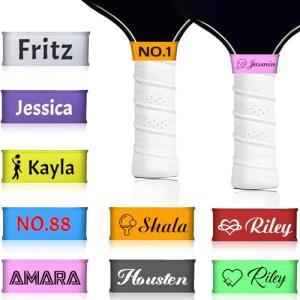
Lamdiy Personalized Pickleball Paddle Name Bands Silicone Custom Pickleballs Paddles Band for Paddle Grip on Racket Racquetball Paddles Pickleballs Accessories DIY Gifts for Pickleball Lovers
Make your paddle stand out with custom name bands that add a personal touch to your game
Product information
$3.99
Product links
Popular Paddle Shapes and Sizes
When it comes to pickleball paddle design evolution, the shape and size of paddles play a huge role in how the game feels and performs. You’ll notice that paddles vary widely, and that choice can make a difference in your gameplay. Let’s break down some popular shapes and sizes so you can find the perfect fit.
First up, we have the wide-body paddles. These paddles are a crowd favorite because of their larger hitting area. If you’re just starting out or you want something forgiving, this shape is great for hitting those tricky shots. The extra width gives you confidence, helping you to make clean contact with the ball even if your aim isn’t perfect.
Next, you’ll find the elongated paddles. They typically have a slim profile and provide more reach, which is fantastic for experienced players. The added length helps you get those tough shots without needing to move too much. Just remember, these paddles can be a bit less forgiving, so you’ll want to be more precise with your swings.
When it comes to thickness, most paddles fall between 0.5 to 0.75 inches. Thicker paddles can offer more power thanks to their weight, while thinner ones provide better control and maneuverability. Depending on your playing style, you might prefer one over the other. For instance, if you love playing at the net, a thinner paddle could give you the edge you need for quick volleys.
Don’t forget about grip size! A comfortable grip makes it easier to handle your paddle during intense matches. Paddles typically come in small, medium, and large sizes, so choose one that feels just right in your hand. With the right shape, size, and grip, you’ll be ready to embrace the pickleball paddle design evolution and step up your game!
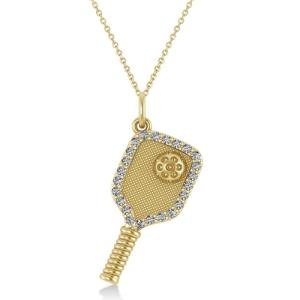
Allurez Diamond Pickleball Paddle Pendant Necklace 14k Yellow Gold (0.50ct) - Chain Length: 16
A stunning necklace that mixes your love for pickleball with a touch of elegance
Product information
$1,813.00
Product links
Emerging Trends in Paddle Design
The world of pickleball keeps evolving, and one of the most exciting changes is in the paddle design. As players get more serious about the game, manufacturers are stepping up their game. The pickleball paddle design evolution has led to some pretty cool innovations that are catching everyone’s eye.
One major trend is the use of lighter materials. Gone are the days of heavy wooden paddles. Today, players favor paddles made from composite and even carbon fiber. These materials not only lighten the load but also improve the paddle's swing speed and ball control, giving players an edge on the court.
Another interesting development is the incorporation of unique textures and patterns on the paddle surface. Players are noticing that certain textures can help with grip and spin. This little tweak in design helps control the ball more effectively, creating a game-changer in performance. Plus, who doesn’t want a paddle that stands out with a cool design?
We’re also seeing a rise in customizable paddles. Many companies now let you design your own paddle, choosing colors, graphics, and sometimes even the weight and grip size. This personal touch not only makes the paddle feel unique to each player but can also enhance comfort and performance, aligning perfectly with the ongoing pickleball paddle design evolution.